Personalized Brain Health Solutions for Elderly Individuals
Specialized memory care solutions for aging individuals are becoming more crucial in addressing unique cognitive challenges. These services emphasize customized support strategies that account for specific life experiences and desires. By supporting involvement through specialized activities, they strive to enhance comprehensive quality of life. Understanding the details of these programs can support families to make informed decisions. What points should individuals examine when picking the appropriate memory care service?
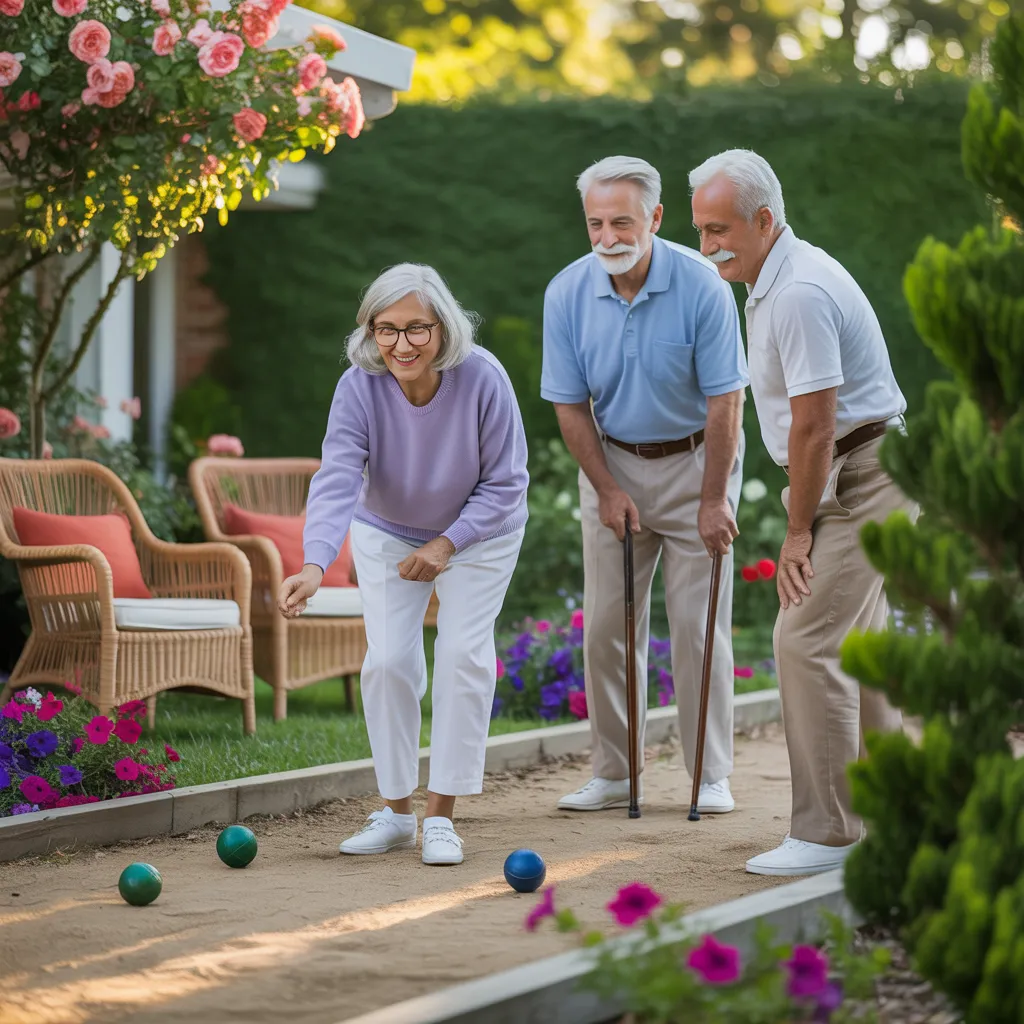
What You Must Know About Personalized Memory Care Solutions
When evaluating memory care services, it is crucial to understand how tailored methods can significantly enhance the standard of living for seniors dealing with cognitive challenges. Tailored memory care services are designed to address the individual needs of each individual, acknowledging that cognitive decline affects people differently. These options often feature personalized programs and routines that align with a senior's interests, capabilities, and preferences, thereby promoting engagement and a sense of purpose.
Additionally, staff trained in care techniques advanced dementia can offer assistance that respects the respect and independence of each resident. This attention individualized helps in reducing worry and confusion, which are common in those with decline memory. Furthermore, involvement loved ones is encouraged, ensuring a strategy comprehensive to care. Ultimately, support programs customized memory aim to establish an environment where seniors can thrive, promoting both health psychological and engagement cognitive.
Merits of Tailored Wellness Plans for Cognitive Difficulties
Personalized care plans play a significant role in tackling the unique memory challenges experienced by seniors. These customized approaches are designed to fulfill personal requirements, ensuring that care corresponds to the particular mental and emotional needs of each senior. By focusing on individual backgrounds, likes, and capabilities, such plans foster a feeling of security and ease, which can reduce anxiety often associated with memory loss.
Moreover, tailored care plans strengthen participation by including programs that resonate the seniors' interests, promoting mental stimulation and community interaction. This individualized method can produce enhanced cognitive function and a superior quality of life. Additionally, support staff equipped with thorough understanding of the senior's preferences can offer more compassionate and helpful care, reducing feelings of frustration for all parties. Ultimately, personalized care approaches empower seniors, allowing them to address their memory issues with honor and self-assurance.
Proven Strategies for Personalized Memory Care Initiatives
Establishing best practices for tailored memory care programs necessitates a extensive knowledge of each senior's unique needs and preferences. Care providers should prioritize comprehensive evaluations that explore cognitive abilities, physical health, and mental health. This core understanding enables the development of tailored care approaches that effectively address particular issues.
Regular staff training is essential, making certain caregivers are equipped with the latest strategies in dementia support. Teamwork with household members promotes a supportive context, facilitating attendants to incorporate individual stories and tastes into everyday schedules. Adopting technology, like safety systems and communication tools, can maximize well-being and interaction.
Additionally, flexibility in care plans is essential; adjustments should be implemented as seniors' conditions progress. Regular assessment of care performance through observation and input ensures steady enhancement. By adhering to these established approaches, memory care programs can deliver a supportive and attentive environment that fosters dignity and well-being for seniors.
Activities That Improve Well-being in Memory Care
Specialized memory care programs not only focus on personalized treatment strategies but also stress the importance of stimulating programs that enhance the standard of living for seniors. These activities are designed to stimulate cognitive function while promoting interpersonal engagement and emotional well-being. Creative art sessions, music sessions, and gardening can offer creative outlets, allowing residents to express themselves and engage with their environment.
Structured reminiscence therapy prompts seniors to reflect on memories, building a sense of self-worth and meaning. Physical activities, such as gentle movement or dancing, help maintain movement and improve emotional state. Additionally, sensory activities—like cooking or pet therapy—can evoke positive emotions and strengthen sensory perception.
Picking the Most Suitable Memory Care Option for Your Relatives
How can loved ones' relatives guarantee they select the most appropriate memory care service for their family members? The choice starts with thorough investigation. Relatives should evaluate the particular requirements of their loved ones, considering factors such as the nature and level of memory impairment. Touring potential facilities enables families to examine the environment, staff interaction, and available resources.
Accreditation and caregiver credentials are vital signs of quality. Families should ask regarding caregiver-to-patient ratios and the training given to caregivers. Additionally, it is important to evaluate the range of programs and treatments offered, as these can significantly affect residents' well-being.
In conclusion, parents should seek out reviews and testimonials from fellow parents to collect direct insights. By weighing individual requirements with professional recommendations, families can make informed choices that guarantee their loved ones get the compassionate and tailored care they deserve.
Regularly Posed Questions About Our Products
How Can I Determine My Family Member's Unique Memory Care Needs?
To identify particular associated resource cognitive support needs, one should observe behavioral changes, communication skills, daily activity performance, and emotional well-being. Engaging medical experts for assessments and obtaining feedback from caregivers can further clarify those needs.
What Credentials Must Be Shown by Healthcare Workers in Memory Care Units?
Staff members in care facilities need to possess valid credentials, specialized dementia education, effective communication abilities, understanding, and expertise. Also, they must display patience and versatility to appropriately support the special needs of residents.
Is Bespoke Memory Care Services Covered under Insurance Plans?
Protection for bespoke memory care programs varies considerably among organizations. Many plans may partially cover costs, but it's indispensable for individuals to ascertain specifics with their insurance company to understand their benefits and thresholds.
How Frequently Are Treatment Plans Reviewed and Updated?
Care plans are regularly reviewed and updated, often quarterly or biannually. This ensures that the changing needs of people are met effectively, allowing for adjustments in treatment approaches and support methods as needed.
What Should I Look for During a Facility Tour?
When conducting a facility tour, one should examine hygiene, staff interactions, resident engagement, security protocols, available amenities, and overall atmosphere. Additionally, evaluating the facility's approach to individualized treatment and community involvement is essential for informed decision-making.